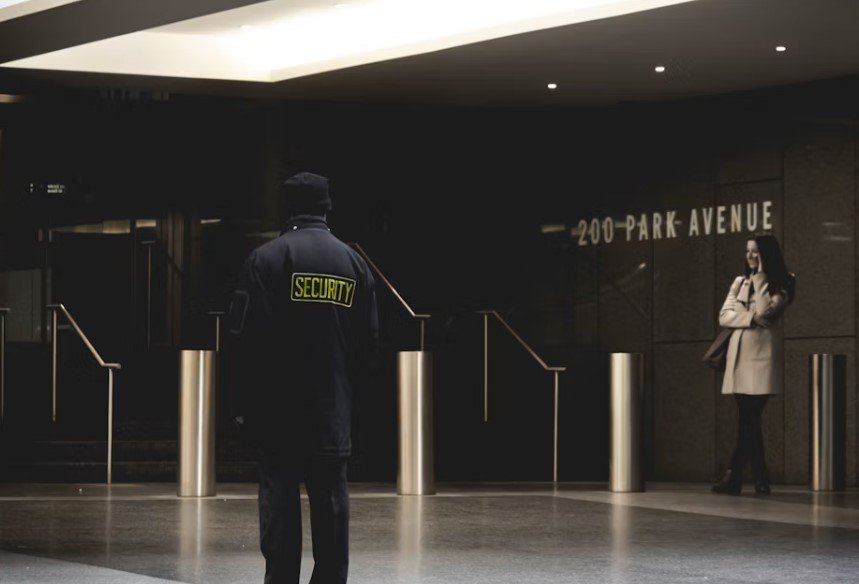
Security is an important concern for homes, businesses, construction sites, events, and other properties. While cameras and alarm systems can help monitor a location, having trained personnel on-site provides an additional layer of protection. Professional security guard services are designed to deter unwanted activity, respond to potential incidents, and help maintain a safer environment.
Choosing the right security provider, however, involves more than simply hiring guards and assigning them to a property. The type of protection required, the location, operating hours, responsibilities, and experience of the security team can all affect the quality of service.
What Are Security Guard Services?
Security guard services provide trained personnel to protect people, property, facilities, and other assets. Depending on the assignment, guards may monitor entrances, patrol a property, observe surveillance systems, control access, assist visitors, or respond to suspicious activity.
The responsibilities of a guard can vary significantly from one location to another. A retail store may need personnel focused on theft prevention, while a construction site may require overnight patrols and restricted-access monitoring.
Why Businesses Use Professional Security Guards
A visible security presence can discourage many forms of unwanted behavior. People are generally less likely to attempt theft, trespassing, vandalism, or other misconduct when they know trained personnel are monitoring the property.
Security guards can also provide a human response when something unusual happens. Unlike automated systems, guards can assess situations, communicate with people on-site, contact emergency services when necessary, and follow established procedures.
For businesses, this can also contribute to a more organized environment. Employees and visitors may feel more comfortable knowing that someone is responsible for monitoring security concerns.
Types of Security Guard Assignments
Not every property needs the same type of protection. Common assignments include:
Commercial Security
Commercial properties may use guards to monitor entrances, patrol buildings, protect assets, and assist with access control.
Residential Security
Residential communities, apartment complexes, and private properties may use security personnel to monitor entrances, patrol common areas, and discourage unauthorized access.
Construction Site Security
Construction sites often contain expensive equipment and materials. Guards can monitor the site during periods when workers are not present and report suspicious activity.
Retail Security
Retail security personnel may help deter shoplifting, monitor store activity, and assist staff with security-related incidents.
Event Security
Large gatherings can require trained personnel to manage entrances, monitor crowds, and help maintain order.
What to Consider Before Hiring a Security Company
The first step is understanding what you actually need. Consider the property’s size, location, operating hours, security risks, and number of entrances or access points.
You should also ask prospective providers about their training procedures and experience with similar assignments. A company experienced in office security may not necessarily specialize in construction sites or large public events.
Communication is another important consideration. Security personnel need clear instructions and a reliable way to report incidents to supervisors or property management.
Technology and Security Guards Can Work Together
Modern security does not have to rely entirely on either people or technology. Cameras, alarms, access-control systems, and other tools can provide useful information, while guards can interpret what they see and respond appropriately.
For example, a camera may identify movement in a restricted area, but an on-site guard can investigate the situation and determine what action is appropriate.
Creating a Clear Security Plan
Before guards begin working at a property, responsibilities should be clearly defined. This can include patrol schedules, access procedures, emergency contacts, reporting requirements, and rules for handling specific situations.
A well-defined plan helps guards understand what is expected and gives property managers a consistent way to evaluate security operations.
Final Thoughts
Professional security can provide more than a visible presence. The right security team can help deter unwanted activity, monitor property, support employees and visitors, and respond to developing situations.
The most effective approach starts with identifying the property’s specific risks and choosing a provider whose experience, personnel, and procedures match those requirements.
For More Visit Watchmen Protective