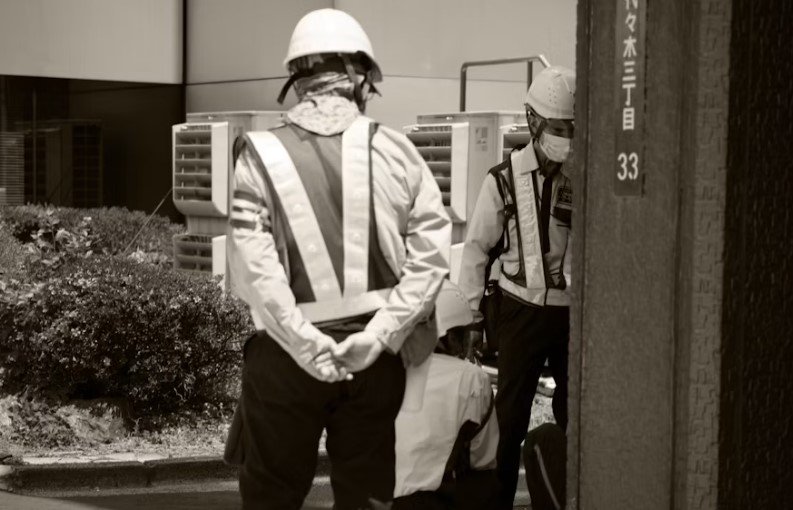
A workplace needs more than a productive team and comfortable office. Employees, visitors, equipment, records, and business operations all need an environment where safety and security are taken seriously.
Workplace security involves the policies, procedures, physical measures, and people responsible for reducing risks within a working environment. The requirements can vary significantly between an office, warehouse, factory, retail location, medical facility, or other workplace.
A useful security program begins by understanding how the workplace operates and identifying situations that could create unnecessary risk.
What Does Workplace Security Include?
Workplace security covers many areas of an organization’s daily operations.
It may involve building access, employee identification, visitor procedures, emergency response, restricted areas, incident reporting, equipment protection, parking, and security awareness.
The purpose is not to create unnecessary restrictions. Instead, effective security should allow normal business activities to continue while reducing preventable risks.
Understand How People Move Through the Workplace
Start by looking at the normal movement of employees and visitors.
Where do people enter the building? Which doors are used after hours? Where do visitors wait? Which rooms contain sensitive equipment or information?
Understanding these patterns can reveal areas where security procedures may need improvement.
A reception area, for example, can provide a controlled point between public and employee-only spaces.
Establish Clear Visitor Procedures
Visitors should have a clear process for entering the workplace.
Depending on the organization, this may include reception registration, temporary identification, employee confirmation, or an escort through restricted areas.
The process should be easy enough that employees actually follow it. Complicated procedures can encourage people to bypass them.
Visitors should also know where they are permitted to go and whom they are meeting.
Protect Restricted Areas
Not every workplace area has the same security requirements.
Server rooms, records storage, management offices, inventory areas, laboratories, equipment rooms, and financial departments may require additional restrictions.
Businesses should identify these areas and determine who genuinely needs access.
Regularly reviewing permissions is important because employees change roles, contractors finish assignments, and other circumstances change over time.
Improve Employee Security Awareness
Employees can either strengthen or weaken workplace security depending on how well they understand the organization’s procedures.
Training can cover practical topics such as reporting suspicious activity, protecting credentials, challenging unknown access appropriately, securing sensitive documents, and responding to emergencies.
Training should be relevant to employees’ actual responsibilities rather than being limited to generic warnings.
Create a Clear Incident Reporting Process
Employees should know what to do if something unusual happens.
Examples might include a damaged entrance, missing equipment, an unfamiliar person in a restricted area, suspicious behavior, or a security system malfunction.
A clear reporting process allows employees to communicate concerns before they become larger problems.
Reports should include useful details such as location, time, people involved, and what was observed.
Consider After-Hours Security
A workplace can have a completely different security profile outside normal operating hours.
Fewer employees are present, some entrances may be locked, and response procedures may change.
Businesses should determine who has legitimate after-hours access and how unexpected activity should be handled.
Lighting, monitoring, controlled entry, and appropriate procedures can all contribute to better protection when the building is less occupied.
Keep Emergency Procedures Practical
Security planning should include emergencies, not just unauthorized access.
Employees may need to respond to fire, severe weather, medical emergencies, hazardous incidents, or other unexpected events.
Emergency plans should explain responsibilities, evacuation routes, communication methods, and designated meeting areas. OSHA recommends developing emergency procedures in advance and regularly reviewing and practicing them.
Exit routes also need to remain accessible. Security controls should never interfere with safe evacuation.
Protect Important Business Assets
Workplace security also includes protecting physical assets.
Businesses should identify important equipment, inventory, documents, keys, credentials, and other resources that could create significant problems if lost or damaged.
Storage arrangements should reflect the value and sensitivity of those assets.
Review Security After Workplace Changes
Businesses change constantly.
New employees may join, offices may be remodeled, departments may move, or working hours may change.
Each major operational change can affect existing security procedures. A workplace that was secure six months ago may have different vulnerabilities today.
Conduct Regular Security Reviews
Regular assessments help management determine whether procedures are still working.
The review can include doors, visitor procedures, employee access, lighting, emergency exits, reporting processes, and other important controls.
Employees can also provide valuable feedback because they experience the workplace every day and may notice practical problems that management does not see.
OSHA similarly recommends evaluating whether existing controls remain effective and involving workers when identifying and improving workplace protections.
Final Thoughts
Workplace security is most effective when it becomes part of normal business operations rather than something employees only think about after an incident.
Clear visitor procedures, controlled access, employee awareness, emergency planning, asset protection, and regular reviews can create a safer and more organized working environment.
The best workplace security program is practical, understandable, and regularly updated as the organization changes.
For More Visit Watchmen Protective