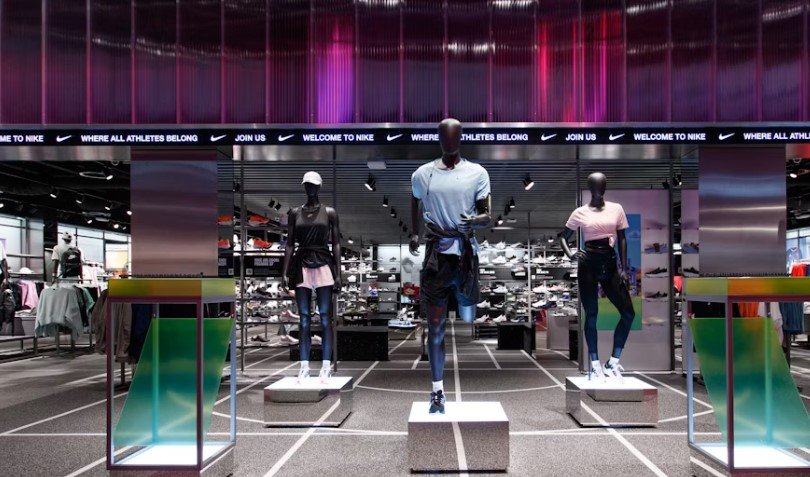
Retail stores deal with a constant flow of customers, employees, suppliers, delivery workers, and other visitors. At the same time, stores need to protect inventory, cash-handling areas, equipment, and employees without making the shopping experience unnecessarily difficult.
Retail store security therefore requires a balance between customer service and effective protection. Store layout, staff awareness, inventory procedures, surveillance, and appropriate security personnel can all play a role.
Understand the Store’s Security Risks
Every retail business has different security concerns.
A small convenience store may have different requirements from a large clothing retailer, electronics store, supermarket, or shopping center.
Store management should consider factors such as inventory value, opening hours, number of entrances, customer volume, cash-handling procedures, and the surrounding environment.
Design the Store for Better Visibility
Store layout can influence security.
Shelves, displays, signs, and promotional stands should not unnecessarily create large areas that employees cannot observe.
Clear sightlines allow staff to notice activity more easily and can make it easier to identify problems.
The objective is not to remove every visual obstruction, but to organize the sales floor so important areas remain reasonably visible.
Protect Store Entrances
Entrances and exits are among the busiest areas of a retail store.
Management should consider how customers enter and leave, where employees enter, and how deliveries are handled.
During opening and closing procedures, additional attention may be appropriate because employees may be handling cash, inventory, or equipment while fewer customers are present.
Pay Attention to High-Value Merchandise
Not all inventory carries the same level of risk.
Expensive electronics, jewelry, small high-value products, and other easily transportable merchandise may require additional controls.
Businesses can consider product placement, locked displays, staff observation, inventory checks, or other appropriate measures depending on the type of merchandise.
Use Surveillance Responsibly
Cameras can provide useful visibility across entrances, checkout areas, storage spaces, and other important sections of a store.
However, cameras should be positioned strategically rather than simply installed throughout the property.
Businesses should also establish appropriate policies for accessing and handling recorded footage and consider applicable privacy requirements.
Protect Checkout and Cash Areas
Cash-handling areas may require additional protection.
Access should generally be limited to authorized employees, while cash procedures should be consistent and easy for staff to follow.
Businesses should avoid unnecessary exposure of cash and should review procedures regularly to identify weaknesses.
Train Employees to Recognize Problems
Employees interact with customers throughout the day and may notice unusual behavior before management does.
Training can help staff understand how to report concerns, respond appropriately to difficult situations, and follow store security procedures.
Employees should not be encouraged to take unnecessary risks. Their role should focus on following established procedures and seeking appropriate assistance when needed.
Keep Storage Areas Controlled
Back rooms and storage areas can contain large quantities of valuable inventory.
Access should be limited to employees who need it, and inventory should be organized so that missing products can be identified.
Delivery workers and contractors should also have clear procedures for accessing these areas.
Improve Closing Procedures
The period immediately before and after closing can require additional attention.
Staff should follow a consistent process for checking important areas, securing entrances, managing equipment, and preparing the store for the next operating period.
A checklist can help employees avoid forgetting important tasks during busy closing periods.
Consider Security Personnel
Larger stores or properties with specific security concerns may use trained security personnel.
Depending on the assignment, they may monitor entrances, observe the sales floor, assist customers, patrol the property, or respond to security incidents according to company procedures.
The presence and responsibilities of security staff should be appropriate for the store’s actual needs.
Review Incidents and Patterns
Security incidents should not simply be treated as isolated events.
Management can review when and where incidents occur and determine whether certain areas, products, operating hours, or procedures appear repeatedly involved.
This information can help businesses adjust store layouts and security processes.
Final Thoughts
Retail store security requires a practical combination of store design, employee awareness, inventory controls, surveillance, access management, and clear operating procedures.
The goal is to protect people and property while allowing customers to enjoy a normal shopping experience. Regular reviews can help stores adapt their security approach as inventory, staffing, layouts, and customer patterns change.
For More Visit Watchmen Protective