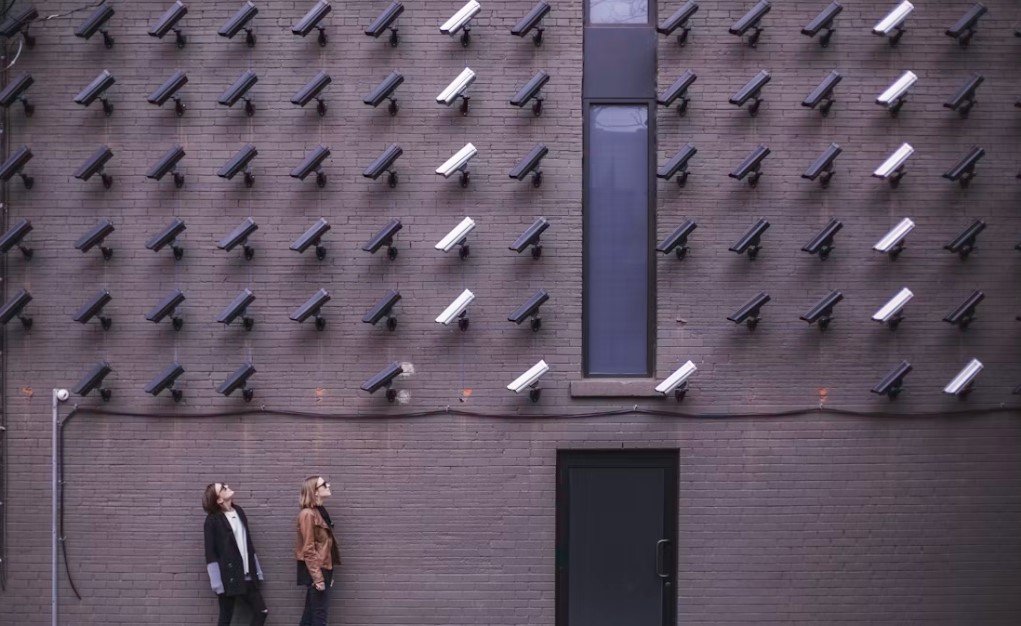
Cameras have become a common part of modern security strategies for both residential and commercial properties. A well-planned CCTV system can help property owners monitor important areas, review recorded activity, and improve visibility around a location.
However, installing cameras is not simply a matter of placing them wherever they are convenient. The location, coverage, lighting conditions, storage method, and purpose of the system all influence how useful it will be.
What Is a CCTV Security System?
CCTV stands for closed-circuit television. A CCTV system uses cameras to capture video that is transmitted to a designated recording or monitoring system rather than being openly broadcast.
Modern systems can include digital cameras, network connections, recording devices, monitors, storage systems, and mobile viewing capabilities.
Why Do Properties Use CCTV?
One major purpose of surveillance is to improve visibility. Cameras can allow property owners or authorized personnel to observe areas that may not always be physically occupied.
They can also provide recorded footage that may help clarify what happened during an incident. Depending on the system and local requirements, footage may be useful for internal investigations or when reporting an event to the appropriate authorities.
Choosing Camera Locations
Camera placement is one of the most important parts of a surveillance setup. Common locations include entrances, driveways, parking areas, reception spaces, storage areas, and other points where activity needs to be monitored.
The camera should have a clear field of view. Objects such as walls, trees, signs, or decorations can create blind spots.
Consider Lighting Conditions
A camera that works well during daylight may produce less useful footage at night if lighting is inadequate.
Before installing a camera, consider how the area looks at different times of day. Outdoor cameras may need features designed for changing lighting conditions, while indoor cameras may need to handle low-light environments.
Recording and Storage
Cameras are only one part of a surveillance system. Recorded footage needs somewhere to be stored and accessed.
Storage requirements depend on factors such as the number of cameras, video quality, recording schedule, and retention period. Property owners should determine how much footage they actually need before selecting a storage solution.
CCTV for Businesses
Businesses may use surveillance to monitor entrances, customer areas, warehouses, parking lots, and restricted sections of a facility.
Cameras can also help managers understand activity patterns and review incidents. However, businesses should establish appropriate privacy policies and comply with applicable laws when recording employees, customers, or visitors.
CCTV for Homes
Residential cameras can provide visibility around entrances, garages, driveways, and other areas of concern.
Homeowners should avoid assuming that more cameras automatically mean better security. A smaller number of strategically positioned cameras may provide more useful coverage than numerous poorly placed devices.
Maintain the System
A surveillance system requires maintenance. Lenses can become dirty, cameras can move out of position, cables can become damaged, and software may require updates.
Regular checks help ensure that cameras continue recording the areas they are intended to monitor.
Final Thoughts
CCTV can be a valuable component of a broader security plan when it is designed around the property’s actual needs. Good camera placement, appropriate recording capacity, reliable maintenance, and responsible use of footage all contribute to a more effective system.
The goal should not simply be to install cameras, but to create useful and consistent security coverage.
For More Visit Watchmen Protective