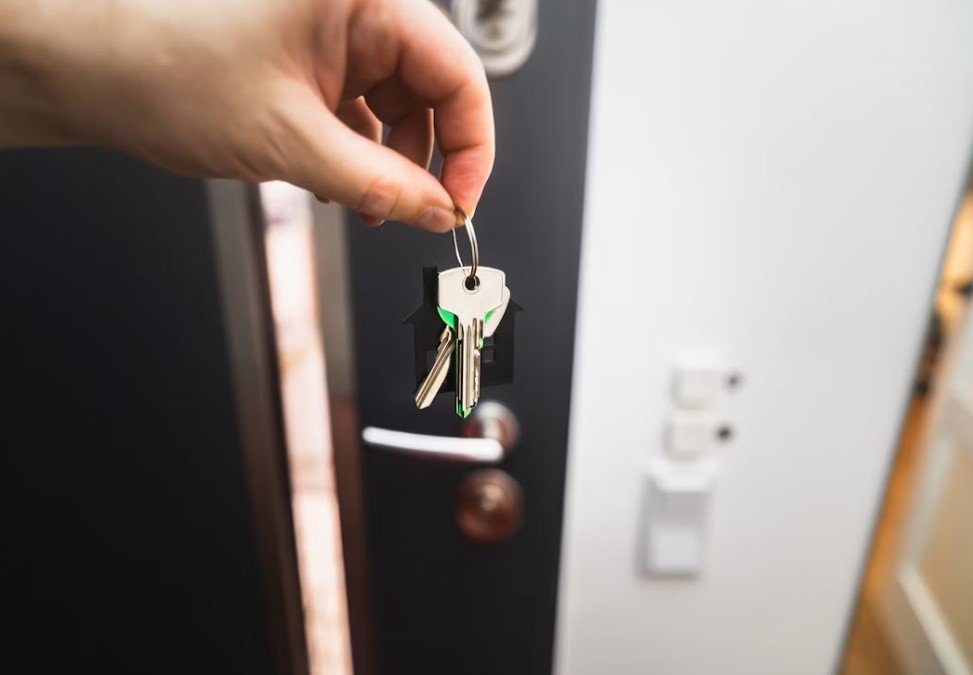
A secure home is not necessarily the one with the most expensive security equipment. In many cases, effective protection comes from combining sensible habits, strong entry points, good visibility, and technology that suits the property.
Homeowners can improve security by identifying weak areas around the property and addressing them one by one. Doors, windows, outdoor areas, garages, and access points should all be considered rather than focusing on a single security measure.
Start With Your Main Entry Points
Doors and windows are among the first areas homeowners should examine. Exterior doors should be solid and fitted with reliable locks, while door frames and surrounding hardware should also be strong enough to resist forced entry.
Windows should close securely and remain in good condition. Ground-floor windows deserve particular attention because they are more accessible than those on upper floors.
A useful approach is to walk around the property and look at it from an outsider’s perspective. Identify areas that are hidden, poorly lit, or rarely monitored.
Improve Outdoor Lighting
Good lighting can make a property easier to observe at night. Motion-activated lights can be particularly useful around entrances, driveways, side passages, and other areas where unexpected movement might otherwise go unnoticed.
Lighting does not need to turn every part of a property into a brightly illuminated space. The goal is to reduce dark areas and improve visibility around important access points.
Keep Valuable Items Out of Sight
Security also involves reducing opportunities. Expensive electronics, tools, bicycles, and other valuable belongings should not be unnecessarily visible through windows or from the street.
Outdoor equipment should be stored securely when it is not being used. A well-organized property can make it easier to notice when something is missing or has been moved.
Consider a Home Security Camera
Security cameras can provide another way to monitor activity around a property. Depending on the setup, homeowners may be able to view entrances, driveways, garages, or other important areas.
Camera placement matters. A camera should cover a useful area without being blocked by trees, walls, decorations, or other objects.
It is also important to understand local privacy rules when installing cameras, particularly when neighboring properties or shared spaces could appear in the footage.
Use an Alarm System Wisely
An alarm can alert occupants to certain security events and may also notify a monitoring service, depending on the system.
However, an alarm should be part of a wider security strategy rather than the only layer of protection. Homeowners should understand how the system works, keep contact information updated, and regularly test equipment according to the manufacturer’s instructions.
Secure the Garage and Other Secondary Entrances
The garage is sometimes overlooked when homeowners think about security. If it provides access to the home, it should receive the same attention as the main entrance.
Side gates, basement doors, sheds, and other secondary access points should also be checked. A property can have a strong front door while still having an easily accessible weak point elsewhere.
Develop Everyday Security Habits
Simple habits can make a meaningful difference. Doors and windows should be locked when appropriate, keys should be kept secure, and access codes should not be shared unnecessarily.
When leaving the property for an extended period, avoid making it obvious that nobody is home. Practical arrangements such as managing deliveries and maintaining normal-looking outdoor conditions can help keep the property from appearing unattended.
Combine Different Security Layers
No single product or habit can eliminate every security risk. A stronger approach combines physical protection, visibility, technology, and sensible routines.
For example, a homeowner might use strong locks, outdoor lighting, cameras, and an alarm while also maintaining good everyday security habits.
Final Thoughts
Improving home security does not always require a major investment. Start by identifying weak points around the property, strengthen the most important areas, and then consider technology that addresses specific needs.
A layered approach gives homeowners several forms of protection instead of relying on one device or precaution.
For More Visit Watchmen Protective