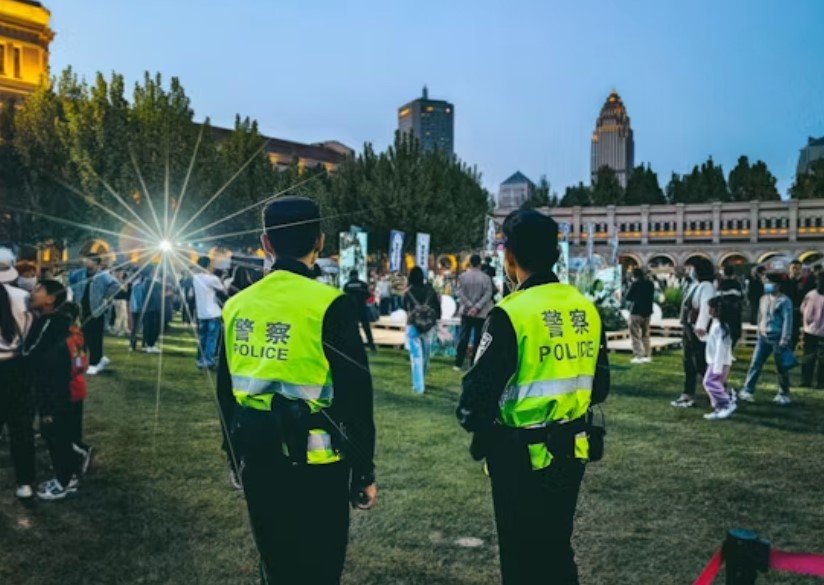
Events bring people together for entertainment, business, celebrations, sports, and many other purposes. While most events run smoothly, large gatherings can create security challenges that are less common in everyday environments.
Crowd size, venue layout, entrances, traffic, restricted areas, and emergency situations all need to be considered before an event begins. Good event security planning helps organizers prepare for these issues rather than reacting to them at the last moment.
Start With a Security Assessment
Every event has different requirements. A small private gathering does not have the same security needs as a large concert or public festival.
Organizers should consider the expected attendance, venue size, entry points, event schedule, type of audience, and potential risks. Previous incidents at the venue may also provide useful information when planning security arrangements.
Manage Entry and Exit Points
Entrances are often among the busiest areas of an event. Clear access procedures can help organizers control who enters the venue and prevent unnecessary congestion.
Depending on the event, security personnel may be responsible for checking tickets, monitoring restricted entrances, directing guests, or identifying people who should not have access to certain areas.
Exit routes should also remain accessible and clearly identified.
Use Trained Security Personnel
Security personnel can provide a visible presence throughout the event. Their responsibilities may include monitoring crowds, protecting restricted areas, assisting guests, reporting incidents, and responding according to the event’s security plan.
The number of personnel required depends on factors such as attendance, venue design, event type, and risk level.
Monitor Crowd Movement
Crowd behavior can change quickly, especially when large numbers of people move through the same space.
Security teams should understand the venue layout and identify areas where congestion could develop. Keeping important walkways and emergency routes clear can help staff respond more effectively when conditions change.
Protect Restricted Areas
Backstage rooms, staff areas, equipment storage, control rooms, and other restricted spaces may need additional access control.
Only authorized personnel should be allowed into these areas. Clear identification procedures can make it easier for security staff to distinguish workers, performers, contractors, and guests.
Prepare for Emergencies
Security planning should include procedures for emergencies such as medical incidents, fires, severe weather, crowd disturbances, or other unexpected situations.
Event staff should know who is responsible for making decisions and how information will be communicated. Emergency exits and access routes should also be considered during the planning stage.
Coordinate With Event Staff
Security works best when security personnel and event staff understand their respective responsibilities.
Staff members who interact with guests should know how to report concerns to the security team. Likewise, security personnel should understand the event schedule, venue rules, and important operational procedures.
Review the Venue After the Event
Security planning should not end when the final guest leaves. After the event, organizers can review what worked well and identify problems that should be addressed before the next gathering.
This may include entry delays, crowd congestion, communication problems, or areas where additional monitoring would have been useful.
Final Thoughts
Effective event security is primarily about preparation. Understanding the venue, managing access, monitoring crowds, protecting restricted areas, and establishing emergency procedures can help organizers create a safer environment for guests and staff.
The exact security approach should always reflect the event’s size, location, audience, and specific risks rather than relying on a one-size-fits-all plan.
For More Visit Watchmen Protective