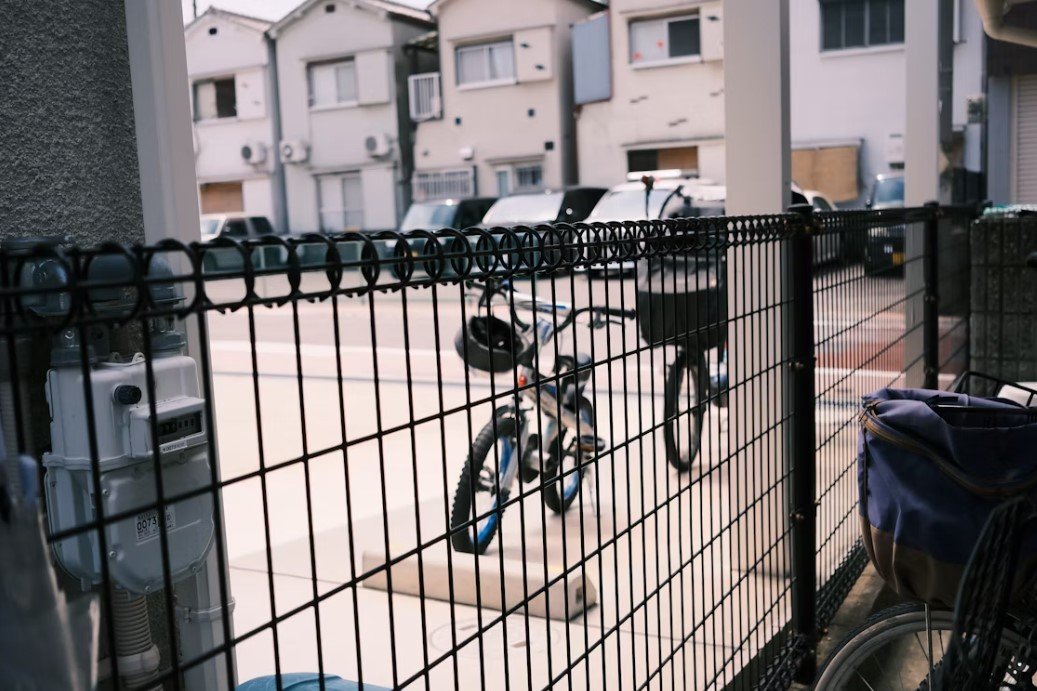
Residential properties can face different security challenges depending on their location, layout, surrounding environment, and the number of people living there. A private house, apartment building, gated community, and residential complex may all require different approaches to protection.
Effective residential security is not based on a single device or precaution. It usually involves several layers working together, including controlled access, good lighting, secure entry points, responsible visitor management, and awareness among residents.
Understanding Residential Security
Residential security refers to the measures used to protect homes, apartment buildings, residential communities, residents, and their property from unauthorized access, theft, vandalism, and other potential risks.
The right security strategy begins with understanding the property itself. A large residential community may need controlled vehicle entrances and regular patrols, while an individual home may benefit more from stronger doors, outdoor lighting, and carefully selected monitoring equipment.
Start With a Property Assessment
Before adding new security measures, it is useful to identify the property’s vulnerable areas.
Walk around the outside of the property during both daytime and nighttime. Look for poorly lit pathways, hidden entrances, damaged fencing, unsecured gates, and areas that are difficult for residents or staff to observe.
Inside a residential building, consider entrances, stairways, parking areas, storage rooms, and other locations where unauthorized access could become a concern.
A security assessment helps prioritize improvements instead of spending money on equipment that may not address the property’s actual weaknesses.
Secure Main Entrances
The main entrance is one of the most important parts of a residential property.
Doors should be strong, properly maintained, and fitted with reliable locking hardware. In apartment buildings and gated communities, access systems can help restrict entry to authorized residents.
Electronic access methods can be useful, but they should be managed carefully. Lost cards, outdated codes, or former residents with active credentials can create unnecessary vulnerabilities.
Access records should also be reviewed when appropriate so property managers know whether systems are functioning as intended.
Improve Visibility Around the Property
Lighting is an important part of residential protection because it makes outdoor areas easier to observe.
Entrances, parking areas, walkways, garages, side passages, and other important locations should have appropriate lighting. Motion-activated lights can provide additional visibility when movement occurs.
However, lighting should be planned carefully. Extremely bright or poorly positioned lights can create glare and shadows instead of improving visibility.
Manage Visitors Properly
Residential communities often receive guests, delivery workers, contractors, and other visitors.
A simple visitor procedure can help residents and property managers distinguish between authorized and unauthorized people. Depending on the property, this could involve visitor registration, temporary access codes, identification procedures, or controlled entry.
The goal is not to make visitors feel unwelcome. Instead, it is to create a predictable process that protects residents while allowing legitimate visitors to enter efficiently.
Pay Attention to Parking Areas
Parking areas can become overlooked security zones.
Poor lighting, limited visibility, and uncontrolled access can make parking facilities more difficult to monitor. Residential communities should consider how vehicles and pedestrians move through the area and whether residents have a clear way to report suspicious activity.
Garages should also receive attention, particularly when they provide direct access to residential buildings.
Encourage Resident Awareness
Residents are an important part of any community security strategy.
People should know how to report suspicious activity, protect access credentials, secure personal belongings, and avoid allowing unknown individuals to enter controlled areas without verification.
Community communication can also help. Residents who understand basic procedures are more likely to recognize unusual situations and report them appropriately.
Use Technology as One Layer of Protection
Modern residential properties can use access-control systems, alarms, intercoms, and monitoring technology to improve visibility and control.
Technology can be particularly useful when it complements physical security measures. For example, an access-control system can restrict entry while property staff can handle unusual situations that require human judgment.
Technology should not be installed simply because it is available. Each system should have a clear purpose and should be maintained after installation.
Consider Regular Patrols
Larger residential communities may benefit from regular security patrols.
Patrols can provide a visible presence and allow trained personnel to check entrances, parking areas, shared facilities, and other locations.
The frequency and type of patrol should depend on the property’s size, operating hours, layout, and specific security requirements.
Create a Clear Incident Reporting Process
Residents and property staff should know what to do when something unusual happens.
A clear reporting process should explain who should be contacted, what information should be provided, and when emergency services should be contacted directly.
Keeping the process simple is important. If residents are unsure about how to report an issue, potentially useful information may not reach the right person quickly.
Review Security Regularly
Residential security should not be treated as a one-time project.
Properties change over time. New residents move in, access credentials change, landscaping grows, lighting deteriorates, and surrounding conditions may develop.
Regular reviews allow property owners and managers to identify new weaknesses and update procedures accordingly.
Final Thoughts
Good residential protection comes from combining several practical measures rather than relying on one solution. Secure entrances, controlled access, proper lighting, visitor management, resident awareness, technology, and regular reviews can all contribute to a safer living environment.
The most effective strategy is one designed around the specific property, its residents, and the risks associated with its location.
For More Visit Watchmen Protective