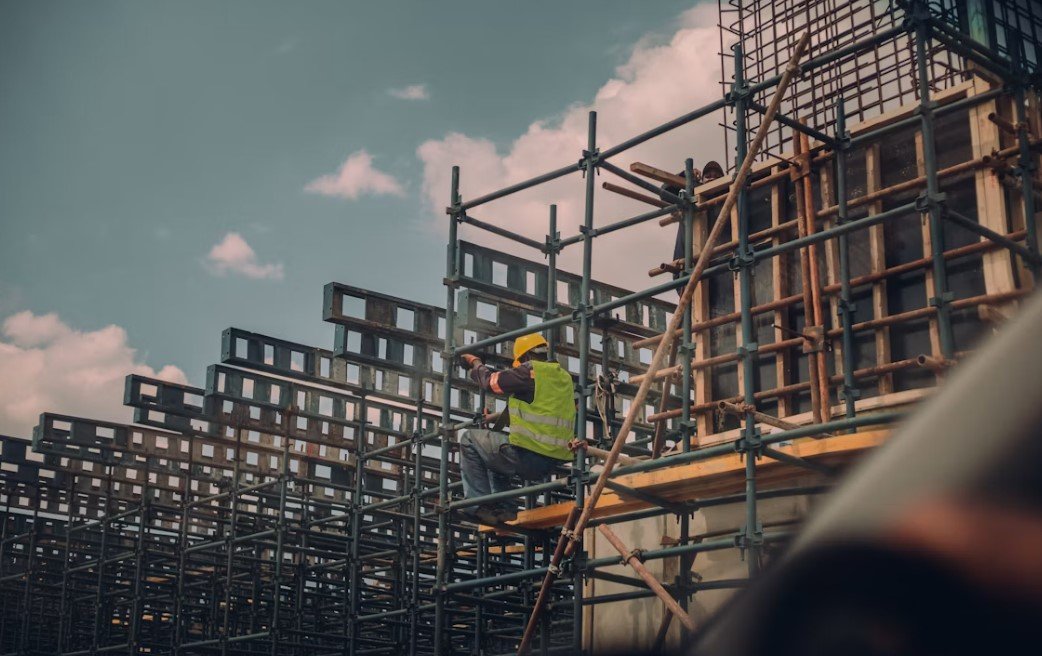
Construction sites contain valuable equipment, tools, vehicles, building materials, and machinery, often in locations that are only partially occupied. When workers leave at the end of the day, the site can become more vulnerable to unauthorized access, theft, vandalism, and property damage.
A construction site security plan should therefore cover both active working hours and periods when the site is unattended. Effective protection starts with understanding the site’s layout and identifying the areas where valuable assets or unauthorized access could create the greatest concern.
Why Construction Sites Need Special Protection
Construction sites are different from completed commercial or residential properties. Their layouts change regularly, materials move from one location to another, and temporary entrances may be created as work progresses.
Fencing may also be temporary, lighting may be incomplete, and expensive equipment can remain outdoors overnight.
These conditions make regular security reviews especially important.
Secure the Site Perimeter
The perimeter is the first physical layer separating the construction site from the surrounding area.
Fencing should be inspected regularly for damage, gaps, or sections that have become unstable. Gates should remain secured when the site is not operating, and access points should be clearly identified.
As construction progresses, the perimeter may need to be adjusted. A fence that provided effective protection during one phase of a project may no longer cover the most important areas later.
Control Access to the Site
Not everyone entering a construction site should have unrestricted access.
Workers, subcontractors, suppliers, inspectors, and visitors may all have legitimate reasons to enter, but their access should be managed according to their responsibilities.
A basic sign-in process or access-control procedure can help site management understand who is present and reduce confusion about unauthorized individuals.
Protect Tools and Equipment
Tools and machinery can represent a significant investment.
Smaller valuable equipment should be stored in secure locations whenever practical. Larger machinery may require additional physical protection and controlled parking areas.
Equipment records can also help. Maintaining information about important assets makes it easier to identify missing items and determine what needs to be checked after an incident.
Pay Attention to Material Storage
Building materials can also become targets for theft or unauthorized removal.
Materials should be organized in designated areas where possible. High-value items should receive additional attention, particularly when they are small enough to be removed easily.
Keeping storage areas organized has another advantage: workers can identify missing or displaced materials more quickly.
Use Appropriate Lighting
Construction sites can contain large dark areas after working hours.
Lighting around gates, storage areas, equipment locations, and important access points can improve visibility and make routine inspections easier.
Temporary lighting should be checked regularly because construction work, weather, and equipment movement can affect its position and reliability.
Monitor Important Areas
Monitoring systems can provide additional visibility when a site is unattended.
The most useful locations for monitoring depend on the project, but entrances, equipment storage areas, material storage zones, and other vulnerable points may deserve particular attention.
Monitoring should be reviewed periodically because the most important areas can change as construction progresses.
Consider Security Personnel
For larger or higher-risk construction projects, on-site security personnel can provide an additional layer of protection.
A security professional can monitor access, conduct scheduled patrols, report suspicious activity, and respond according to the site’s established procedures.
The security requirements should be discussed before deployment so personnel understand the site layout, important assets, access rules, emergency contacts, and reporting procedures.
Maintain a Clear Visitor Procedure
Construction sites can have frequent visitors, including suppliers, contractors, inspectors, clients, and other professionals.
A clear visitor process reduces confusion and helps site managers know who should be present.
Visitors should be directed to appropriate areas rather than being allowed to move freely through sections where construction work or valuable equipment may create safety or security concerns.
Protect Vehicles and Machinery
Heavy machinery and vehicles should be parked in designated areas when not in use.
Keys, access credentials, and equipment controls should be managed responsibly. If multiple workers use the same machinery, the site should have a clear process for assigning responsibility.
Vehicle and equipment checks can also help identify problems before they become larger losses.
Review Security as Construction Progresses
One of the biggest mistakes is assuming that a security plan created at the beginning of a project will remain effective throughout the entire construction process.
New buildings, temporary structures, material deliveries, changing entrances, and completed sections can all alter the site’s security requirements.
Site managers should therefore review protection measures whenever there is a major change in layout or project phase.
Create an Incident Reporting Process
Workers should know how to report missing equipment, damaged fencing, suspicious activity, unauthorized access, or other security concerns.
Reports should include useful information such as the location, approximate time, items involved, and observations from people who were present.
A consistent process helps management identify patterns and improve future protection.
Final Thoughts
Construction site security requires a flexible approach because construction environments are constantly changing. Strong perimeter controls, managed access, organized storage, lighting, monitoring, equipment protection, and regular inspections can work together to reduce security risks.
The most important step is to keep reviewing the site as work progresses. Security should evolve alongside the project rather than remaining fixed from the first day to the final handover.
For More Visit Watchmen Protective