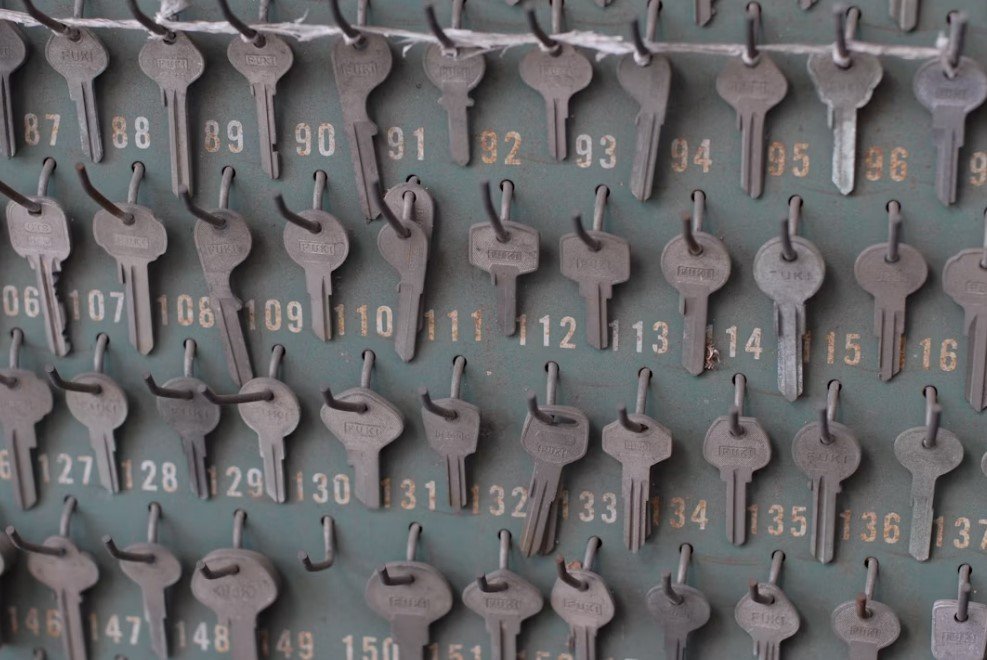
Managing who can enter a building is an important part of protecting people, property, equipment, and confidential areas. Traditional keys can provide basic control, but modern properties often require more flexible ways to manage access.
Access control systems allow organizations to determine who is permitted to enter specific areas and, depending on the technology used, when that access should be available.
What Are Access Control Systems?
Access control systems are technologies and procedures used to manage entry into buildings or restricted areas.
Depending on the system, access may be provided through cards, key fobs, personal codes, mobile credentials, biometric methods, or other electronic solutions.
The purpose is not simply to lock a door. A well-designed system can help property managers control permissions, restrict sensitive areas, and keep a record of access activity.
Why Access Management Matters
Large buildings can have dozens or hundreds of people entering throughout the day. Employees may need access to offices, while contractors may need temporary access to specific areas.
Without a structured process, it can become difficult to determine who should be able to enter a particular room.
Access management creates a clearer distinction between authorized and unauthorized entry.
Different Areas Can Have Different Permissions
Not every employee needs access to every part of a building.
For example, general staff may be able to enter common office areas, while only authorized personnel can enter server rooms, financial departments, storage areas, or other restricted locations.
Creating permission levels can help reduce unnecessary access without preventing employees from performing their normal responsibilities.
Managing Employee Access
Employee access should be reviewed whenever roles change.
If someone moves to a different department, their previous permissions may no longer be appropriate. When employment ends, credentials should also be disabled according to the organization’s established procedures.
Regular access reviews can prevent old permissions from remaining active longer than necessary.
Temporary Access for Visitors and Contractors
Visitors and contractors may need access for a limited period.
Temporary credentials can provide a more controlled alternative to sharing permanent keys or codes. These credentials can be configured according to the individual’s expected visit and removed afterward.
This approach also gives organizations better visibility into temporary access.
Combining Access Control With Other Security Measures
Access management works best as part of a broader security strategy.
Cameras, alarms, reception procedures, security personnel, and physical barriers can complement access-control technology.
For example, an access system may restrict entry to a storage room while monitoring equipment provides visibility around the entrance.
Protecting Sensitive Areas
Certain rooms deserve greater protection than general workspaces.
Server rooms, records storage, laboratories, cash-handling areas, equipment rooms, and other sensitive locations may require stricter permissions.
Organizations should determine which areas are genuinely sensitive rather than applying excessive restrictions everywhere.
Keep Systems Maintained
An access system is only useful when it operates correctly.
Doors, readers, credentials, software, batteries, and related components should be checked regularly. Problems should be addressed quickly, especially when they affect important entrances.
Employees should also know whom to contact if their credentials stop working or are lost.
Plan for Emergencies
Access procedures should also account for emergencies.
Buildings need appropriate arrangements for evacuation and emergency response. Security controls should never create unnecessary obstacles when people need to leave a building quickly.
Emergency procedures should be reviewed alongside normal access policies.
Final Thoughts
Access control can provide organizations with greater control over who enters specific areas and when. Its effectiveness depends on thoughtful permission management, regular reviews, reliable maintenance, and integration with the property’s wider security procedures.
The best system is not necessarily the most complicated one. It is the one that matches the building’s needs and can be managed consistently.
For More Visit Watchmen Protective