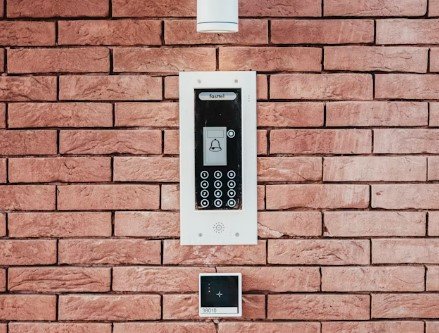
Security alarms are commonly used in homes, businesses, warehouses, offices, and other properties to alert occupants or monitoring personnel when a potentially unwanted event occurs.
An alarm does not physically stop every incident. Its main purpose is to detect a predefined condition and generate an alert so that an appropriate response can begin.
For this reason, alarms are generally most useful when they are included as one part of a broader security strategy.
What Is a Security Alarm System?
A security alarm system is a collection of devices designed to detect specific events and produce an alert.
Depending on the setup, sensors may detect movement, opening doors or windows, or other conditions. The system can then trigger a local alarm or communicate an alert to a monitoring service or authorized user.
The exact configuration depends on the property and the risks that need to be addressed.
Why Properties Use Alarm Systems
An alarm can provide an early warning when activity occurs in a protected area.
For example, a business may use alarms outside operating hours, while a homeowner may want alerts when the property is unoccupied.
The value of an alarm depends heavily on what happens after the alert is generated. A detection system is more useful when there is a clear procedure for verifying and responding to alerts.
Common Types of Alarm Detection
Different sensors can be used for different purposes.
Door and Window Sensors
These sensors can identify when a protected door or window is opened.
They are commonly used around entry points where unauthorized access would be a concern.
Motion Detection
Motion sensors can detect movement within selected areas.
Placement is important because environmental conditions, pets, airflow, and other factors can affect how a sensor operates.
Glass-Break Detection
Some systems are designed to detect sounds or patterns associated with broken glass.
These sensors may provide additional coverage in locations where windows represent an important vulnerability.
Choosing Where to Install Sensors
Sensor placement should be based on the property’s layout rather than simply installing devices in every room.
Important entrances, vulnerable areas, storage locations, and other high-priority spaces may deserve greater attention.
A property assessment can help determine where detection would provide the most useful coverage.
Professional Monitoring vs Local Alerts
Some systems simply produce an alarm at the property or send notifications to authorized users.
Others may connect to a professional monitoring service that can receive alerts and follow an established response process.
The appropriate option depends on the property, operating hours, occupants, risk level, and desired response.
Reduce Unnecessary Alerts
Frequent false alarms can become a problem.
If users receive too many unnecessary notifications, they may begin paying less attention to genuine alerts.
Proper installation, appropriate sensor placement, regular maintenance, and clear operating procedures can help improve system reliability.
Users should also understand how to arm and disarm the system correctly.
Alarm Systems and Other Security Measures
An alarm works best when combined with other layers.
Locks can help physically restrict entry. Lighting can improve visibility. Cameras can provide additional information. Security personnel can investigate or respond to certain situations.
This layered approach reduces dependence on any single system.
Maintain the Alarm System
Like other security equipment, alarms require maintenance.
Sensors, batteries, control panels, communication connections, and related components should be checked according to the system’s requirements.
A system that has not been tested for years may not perform as expected when it is actually needed.
Have a Response Procedure
An alarm without a response plan can create confusion.
Property owners should know who receives notifications, who is authorized to investigate, and when emergency services or other appropriate responders should be contacted.
Employees should also understand what an alarm means and what they are expected to do.
Final Thoughts
Security alarms can provide valuable detection and notification, but they should not be viewed as a complete security solution.
The most effective setup starts with identifying important risks, placing appropriate sensors, maintaining equipment, reducing unnecessary alerts, and establishing a clear response procedure.
When combined with physical protection, monitoring, and sensible security practices, an alarm system can become an important part of a property’s overall protection.
For More Visit Watchmen Protective